A Strategic Guide for Practice Leaders
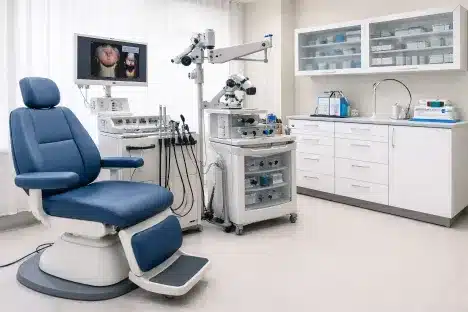
For most ENT practices, rising operating costs aren’t driven by clinical decisions, they are driven by fragmented purchasing, pricing opacity, and inefficient supply management. To improve profitability without compromising care, you must first identify which costs are truly controllable. Here are the primary drivers of “margin erosion” in modern ENT practices and the strategies from US ENT Partners to fix them.
1. Fragmented Purchasing (The “Vendor Sprawl”)
Many practices work with dozens of suppliers for everything from syringes to sleep study kits. While this happens organically as a practice grows, it leads to:
- Inconsistent pricing: Paying different rates for the same item across different months or locations.
- Administrative Bloat: Your team spends more time processing invoices than managing the office.
The Fix: Consolidate purchasing through an ENT, focused GPO like US ENT Partners. Aggregating your volume allows for standardized pricing and a significantly lighter administrative load.
2. Pricing Opacity & Lack of Benchmarking
Without data, you’re flying blind. Most independent practices have no way of knowing if the price they were quoted is competitive compared to the rest of the market.
The Fix: Leverage the benchmarking power of a specialty GPO. US ENT Partners’ purchasing portal provides visibility into category, level spend, helping you identify exactly where you are overpaying.
3. High, Volume Disposables & Consumables
A more effective way to uncover meaningful savings is through an accounts payable analysis. By reviewing purchasing data, practices can typically identify the top 20 vendors that account for roughly 80 to 85 percent of total supply spend. Rather than trying to optimize hundreds of small purchasing decisions, focusing on these high impact vendors allows practices to capture the majority of potential savings. Aligning these key vendors with a strong GPO contract can streamline purchasing, improve pricing, and create significant cost efficiencies across the practice.
The Fix: Negotiated contracts for “high, velocity” items ensure that your most frequently used supplies have the deepest discounts.
4. Specialized Allergy & Sleep Medicine Supplies
As ENT practices expand into ancillaries, new cost centers emerge. Specialized biologics and oral appliance therapy materials are expensive, and independent practices have almost zero negotiating power with these niche manufacturers.
The Fix: Specialty, aligned programs focus on these high, cost growth areas, ensuring that as your practice expands, your margins stay protected.
The ENT Advantage: Strategic Cost Reduction
ENT, focused Group Purchasing Organizations are designed to address the specific cost structure of outpatient clinics. Rather than applying a “one, size, fits, all” hospital model, US ENT Partners focuses on:
- ENT, Relevant Categories: No “filler” contracts for items you’ll never use.
- Outpatient, First Suppliers: Partnerships built for the physician, led clinic.
- Spend Visibility: Turning your purchasing data into a strategic asset.
Conclusion: Turning Cost Control into a Competitive Advantage
The most significant cost drivers in your practice are often structural, not clinical. By addressing vendor sprawl and pricing opacity, you aren’t just saving money, you’re simplifying your operations and freeing up resources to reinvest in patient care.